|
vawe0csynz8 air conditioning repair melbourne for homes, apartments, and small workplacesComfort first, cost second, disruption minimizedSolid repair decisions keep rooms steady, quiet, and efficient. The right fix cuts energy waste and avoids repeat breakdowns without overcommitting your budget. Quick symptom guide- Warm air from a running indoor unit
- Short cycling or frequent on - off bursts
- Odd noises: click, buzz, or rattle
- Water drips at the indoor head or staining near the wall
- Breaker trips on hot afternoons
- High humidity even with set temperature reached
What those signals often mean- Warm air: dirty filters, outdoor coil blocked, low refrigerant, or a failed reversing valve in a heat pump.
- Short cycling: clogged filters, oversize unit, iced coil, or a failing capacitor.
- Noises: fan imbalance, loose panel, bearing wear, or electrical arcing.
- Drips: blocked condensate drain, misleveled unit, or iced - then - thawed coil.
- Trips: compressor struggling, faulty capacitor or contactor, or a wiring fault.
- Sticky humidity: fan speed mis-set, coil fouling, or refrigerant charge issues.
Safe checks before booking- Filter: remove and clean; a grey mat of dust can halve airflow.
- Mode and setpoint: ensure Cool mode, not Dry or Fan; set 22 - 24°C to test.
- Outdoor unit: clear leaves, fluff, and cobwebs from the coil face (power off first).
- Power: confirm isolator is on and breaker hasn't tripped.
- Drain: look for a kinked or blocked condensate line near the outdoor area.
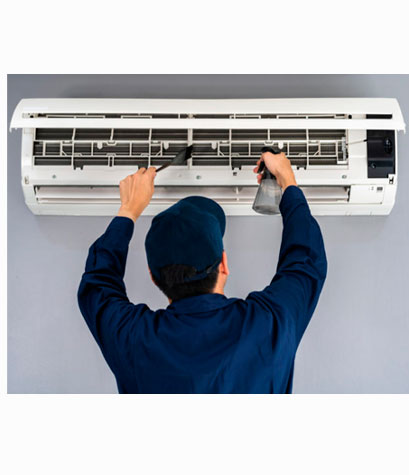
A Melbourne momentAt 6:10 pm in Brunswick on a 34°C day, an indoor unit hummed but pushed lukewarm air. After a quick filter clean and a replaced start capacitor, the room cooled within minutes and dinner plans stayed put. Simple, timely, effective. What a technician typically does- Interview and test run to reproduce the fault.
- Electrical diagnostics: capacitors, contactor, terminals, insulation resistance.
- Airflow and temperature checks: delta-T, fan speeds, coil condition.
- Refrigerant circuit assessment: pressures, superheat/subcool, leak inspection.
- Drainage and level check; clean coil and pan if needed.
- Report with findings, parts options, and a realistic time - cost window.
Repair or replace: a practical frameLean toward repair if the system is under 8 - 10 years, parts are available, efficiency was acceptable, and the fault is discrete (fan motor, capacitor, sensor, board). Consider replacement when multiple major components show wear, noise and energy use are climbing, or refrigerant type and parts access are constrained. Context that shapes the call in Melbourne- Weather swings: four seasons in a day means reliability and fast ramp-up matter.
- Pollen and coastal air: inner-north pollen and bayside salt hasten coil corrosion; regular cleaning pays back.
- Apartment installs: balcony airflow and body corporate access can limit repair timing.
Time and disruptionMost diagnostic visits run 30 - 60 minutes. Common repairs (capacitors, sensors, simple drains) can finish same visit. Coil cleans, fan motors, or board replacement may take longer or a return trip, especially during a heatwave surge. Cost sense without surprises- Low: cleaning, capacitors, drain clears.
- Medium: fan motors, sensors, control boards.
- Higher: compressor-related, extensive leak find and fix, or systems near end-of-life.
Ask for a parts-and-labour breakdown and whether a short warranty applies to the repair. Preventive steps that actually help- Clean or replace filters every 6 - 8 weeks in summer.
- Trim plants 500 mm from the outdoor coil; ensure free airflow.
- Annual service before the first 30°C week to avoid peak delays.
- Gently hose the outdoor coil from the inside out (power isolated) if dust builds.
Choosing a capable pro- Experience with your brand and model series.
- Clear diagnostics, not just a parts swap.
- Explains risks, options, and likely longevity of the fix.
- Comfortable scheduling that suits strata or access needs.
A small note on efficiencyA well-repaired unit that's correctly charged and clean often beats a tired system limping along. Lower run times, quieter evenings, and steadier sleep are the usual signals you chose well. Next stepsStart with filters and basic settings. If symptoms persist, a focused diagnostic can separate simple from structural issues, letting you decide between a targeted repair and a planned upgrade without rushing - and Melbourne's weather will tell you soon enough which path feels right.

|
|